Couples Therapy and Marriage Counseling: The Complete Guide
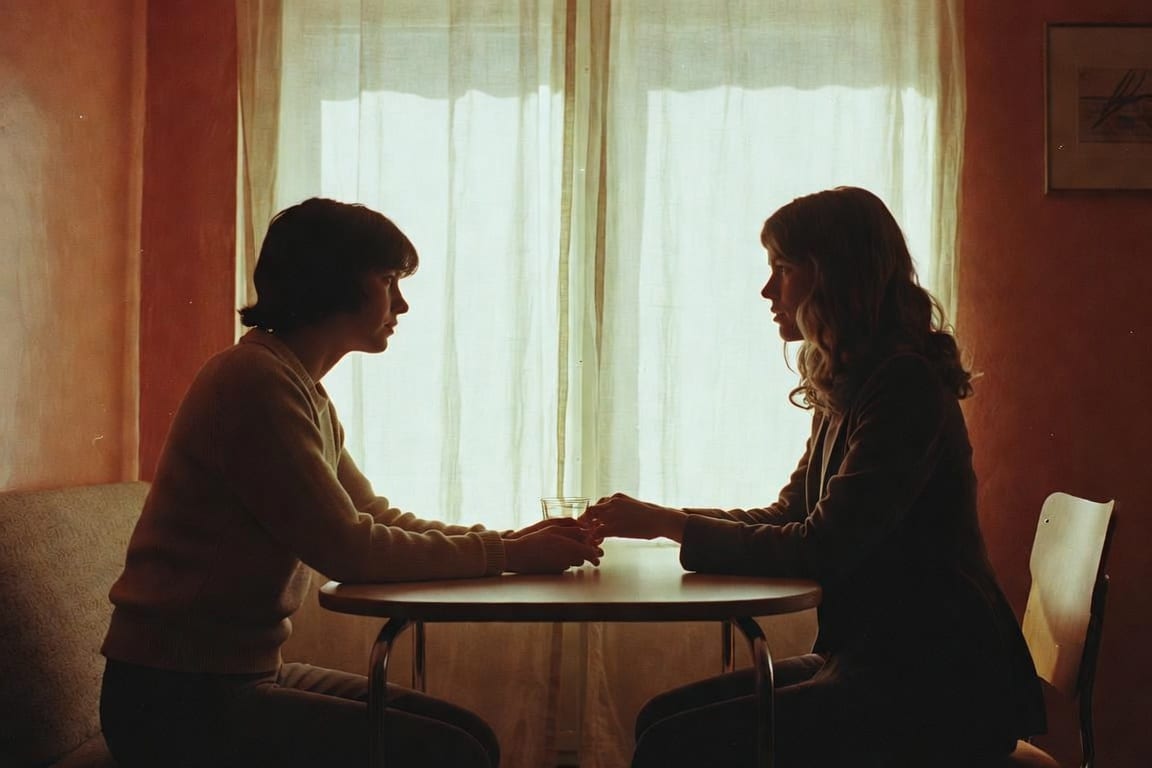
Couples therapy (also called marriage counseling, couples counseling or relationship therapy) is structured work with a trained clinician in which both partners examine the pattern they are caught in, understand what drives it, and learn to reach each other differently. The best-evidenced approaches are Emotionally Focused Therapy and behavioural methods; most couples see meaningful change in 8–20 sessions; private fees run roughly US$150–450 per session in New York City and San Francisco; and the strongest predictor of success is not the method but whether both partners feel equally held by the therapist. This guide covers who it is for, what actually happens in the room, the four conflict patterns nearly every distressed couple falls into, the methods and their evidence, cost and insurance, online versus in person, how to choose a therapist, and the situations where couples therapy is the wrong first step.
In this guide: What couples therapy is and isn't · Who it's for · The four patterns · The first session · How long it takes · Methods and the evidence · Cost and insurance · Online or in person · Choosing a therapist · When it's the wrong first step · FAQ
What couples therapy is, and three things it isn't
Couples therapy treats the relationship as the client. Not one partner's behaviour, not the other's feelings, but the thing that happens between you when one of you does something and the other responds and the first responds to that. A good couples therapist is watching that sequence from the first minute, because the sequence, more than the topic, is what brings couples in.
It isn't arbitration. The therapist's job is not to decide who's right about the dishes, the in-laws or the money. Couples who arrive hoping for a verdict are usually disappointed in session one and relieved by session three, when the question changes from "who's right" to "what are we doing to each other."
It isn't individual therapy with two people in the room. Couples work has its own training, its own evidence base and its own failure modes. A therapist with excellent individual training and no couples training will, with the best intentions, often make things worse: taking one partner's side without noticing, pathologising the louder partner, or spending months on one person's childhood while the relationship continues to deteriorate.
It isn't only for crisis. In our practice roughly a third of couples arrive with nothing on fire. They've noticed the conversations have become logistical, or that one of them has stopped reaching, or that they're about to make a big transition (a child, a move, a company) and want to go in strong. Those couples tend to do the fastest work.
Who it's for
The honest answer is: most couples, at some point. The more useful answer is a list of the situations that bring couples through the door, because people often don't recognise their own.
The same fight, repeatedly. The topic changes; the shape doesn't. One raises, one defends; one pursues, one withdraws; both escalate; both go quiet. You've had this fight a hundred times and solved the topic every time, and it comes back. Four conflict patterns and how to break them covers the mechanics; the Four Horsemen covers the behaviours inside them.
Distance without conflict. You don't fight much. You also don't talk much, except about the children and the calendar. One or both of you has quietly stopped sharing an inner life. This is the presentation most couples underestimate, because it looks like peace. Emotional distance in a relationship.
A breach of trust. An affair, a financial deception, a disclosure that changed what you thought the relationship was. Couples therapy after infidelity.
Intimacy that has faded and can't be discussed. Low sex in a long-term relationship.
One of you isn't sure you want to stay. This needs a different format from repair work. Should we separate? Discernment counselling.
A life or career that has consumed the relationship. For founders, couples therapy for founders. For executives and dual-career couples, couples therapy for executives and high-achieving couples. For couples in two places or two languages, online couples therapy across time zones.
A transition coming. A first child, a relocation, a new role, retirement. Prevention work is real work and is where we see the quickest gains. Couples therapy for new parents and leadership transitions and marriage.
If you want a structured check, 8 signs you and your partner need couples therapy walks through it.
From our practice (composite; details changed). A couple in their early forties, both senior in their fields, came in "to check in before the second child." Neither could name a problem. Within twenty minutes it was clear one of them had been carrying the household's entire emotional load for three years and had stopped mentioning it because "he has enough on." He hadn't known. Six sessions. They didn't need repair; they needed the thing said out loud before it became resentment.
The four patterns nearly every couple falls into
Couples describe their problems in terms of topics. Therapists see them in terms of cycles. A cycle is a repeating sequence of moves that runs regardless of subject, and almost every distressed couple has one dominant cycle and one secondary.
| Pattern | What it looks like |
|---|---|
| Pursue–withdraw | The most common pattern, and the one that most often ends in therapy. |
| Withdraw–withdraw | The most dangerous: it looks like peace until one partner says, apparently from nowhere, that they're done. |
| Attack–attack | Loud but has energy in it; both partners still care enough to fight. |
| Criticise–defend | Usually slides into one of the others. |
The point of naming the pattern is that it becomes a third thing in the room, something the two of you are caught in rather than something one of you does to the other. That shift, from "you" to "it," is often the first real change couples experience in therapy. The full treatment, with a self-test, is in the conflict-patterns article.
What happens in the first session
A first couples session runs 60–90 minutes. Most therapists, whatever their model, will cover similar ground, and knowing it in advance takes most of the fear out of it.
- How you met and what the relationship was like at its best. This is not small talk. The therapist is listening for where the warmth still lives, and for how each of you tells the story of the decline.
- What each of you thinks the problem is. You will not agree. That's expected and useful; the gap between your two accounts is data.
- The last significant argument, in detail. Who said what, then what happened, then what. The therapist is tracking the cycle.
- What you each hope for. Not "to be happier," but what you'd want to be different in six months.
Many therapists, including us, then see each partner alone for twenty to thirty minutes, either in the first session or the second. This is where each of you can say what you couldn't in front of the other: whether there's something undisclosed, whether you're actually there to repair or to be sure before leaving, what you're most afraid of. The therapist won't repeat it, but will use it to understand what's happening.
By the end you should have a sense of whether the therapist understood you both, and a rough direction. If you don't, that's useful too. A first session that produces nothing but rapport-building is a warning sign, particularly for couples with limited time.
From our practice. The most common thing we hear at the end of a first session is some version of "that was less awful than I expected." The second most common is one partner saying, in the car, "I didn't know you felt that." Both are good signs. The sessions where nothing uncomfortable happened are the ones we worry about.
How long it takes
The research literature on couples therapy describes courses of 8–20 sessions as typical, with most of the measurable change happening in the first eight to twelve. In our practice:
- Couples doing prevention or transition work often finish in 4–8 sessions.
- Couples with an established pursue–withdraw or distance pattern typically work for 10–16 sessions, weekly or fortnightly.
- Infidelity recovery is measured in months, not sessions; see the dedicated article.
- Couples who have stalled in weekly therapy, or whose calendars make it impossible, often do better in an intensive: 12–14 hours over two consecutive days, followed by two or three follow-ups. Intensive couples therapy covers formats and who they suit.
Two things determine length more than anything else: how long the pattern has been running, and whether both partners are equally in the room. A pattern that's run for a decade takes longer to interrupt than one that's run for a year. A reluctant partner slows everything until they're not reluctant anymore.
Agree a review point early, usually around session six. A good therapist will propose this; if yours doesn't, ask.
Methods, and what the evidence actually says
There are four well-established approaches to couples therapy, and most experienced therapists draw on more than one. Here is each in plain terms, with an honest reading of the research, including for the one we use.
| Method | Basis | Evidence | Best for |
|---|---|---|---|
| Emotionally Focused Therapy (EFT) | Attachment theory | Strongest clinical-trial evidence of any couples approach; 2024 meta-analysis and two-year follow-up data showing gains hold | Distance, withdrawal, "we don't fight, we just don't connect" couples |
| The Gottman Method | Decades of observational research into what distinguishes couples who stay together | Strong underlying research; clinical-trial evidence for the therapy as delivered is thinner than its reputation | Conflict-heavy couples who want tools and a framework |
| Integrative Behavioural Couple Therapy (IBCT) | Behaviour change combined with acceptance work | Good trial evidence including five-year follow-up | Couples whose conflicts are about perpetual differences in personality or preference |
| Systemic and family therapy | The couple within its wider system: families of origin, children, work, culture | Broader and less couple-specific evidence base | When the extended family or a business is a powerful third presence |
The finding that matters more than any of this: in the research, differences between established methods are small compared to differences between therapists, and the alliance (whether both partners trust the therapist) predicts outcome more than the model does. Choose a therapist who can explain their method and who both of you feel held by. Don't choose on brand.
What it costs, and what insurance does
New York City and the San Francisco Bay Area. Private couples therapy typically runs US$150–450 per session depending on credentials, specialisation and location, with specialist practices in Manhattan and the Bay Area at the upper end. A 12–20 session course totals roughly US$3,000–9,000. Insurance rarely covers couples therapy as such; where it does, it's billed as family psychotherapy (CPT 90847) and requires one partner to carry a diagnosis, which has consequences worth understanding. Out-of-network benefits can return 50–80% of an "allowed amount" after your deductible via a superbill. Every private-pay provider must give you a written Good Faith Estimate. The full mechanics, including the five questions to ask your insurer, are in our cost and insurance guide.
Aether Practice. A 60-minute couples session is priced according to location; US pricing is on our couples therapy page. A free 15-minute consultation precedes any booking.
Compare per completed course, not per session. A cheaper therapist you stop seeing at session seven cost seven sessions and delivered a fraction of the outcome.
Online or in person
Video-delivered couples therapy has been compared directly with in-office treatment, including for EFT, and performs comparably on relationship satisfaction and communication. It isn't a worse version of the real thing; it's a different delivery with its own trade-offs. Does online couples therapy work? covers the research in detail.
Online is better when one of you travels, when you live in different places, when privacy matters (no waiting room, no one sees you arrive), or when the only therapist who fits is in another city. It also allows two-location sessions, each partner from their own screen, which is the only way many long-distance couples have ever been able to be in the room together.
In person is better when there is any question of intimidation or control at home, when a private space isn't available, or when one partner is likely to half-attend on a screen. Some couples simply prefer a room for work this concentrated, especially for intensives.
Our own practice is fully online, working with couples across US time zones and in Norway by video. If we think another format would serve you better, we will say so in the consultation.
How to choose a therapist
Four things to check, in order.
- Couples training, not just a licence. Ask what formal couples training they've completed and in which model. "I also see couples" is not training. In the US, LMFT is the only licence built around couples work.
- A real couples caseload. What proportion of their work is couples? Under a third and it's a sideline.
- The ability to hold both of you. You'll know within two sessions. If one of you feels sided-against, it won't work regardless of credentials.
- A format that fits your life. Weekly only if you can genuinely protect it. Online, intensive or hybrid if not.
Use the free consultation most practices offer. Ask the therapist what they'd do if they weren't the right fit; a therapist who'd never refer out is selling. For founders and executives, who have additional things to check, see how to choose a couples therapist as a founder or executive.
When couples therapy is the wrong first step
Couples therapy assumes two people who can speak freely and safely in the same room. It's not the right starting point, and a responsible practice will say so, when:
- There is violence, threat, coercion or control. Couples formats can increase risk when one partner is afraid. Individual support and safety first. US: National Domestic Violence Hotline 1-800-799-7233. Emergency: 911.
- An affair is ongoing or undisclosed. Therapy with an active secret in the room isn't therapy. Individual work first.
- One partner is in acute psychiatric crisis, or active substance misuse makes consistent participation impossible.
- One partner has already decided to leave and is attending to be seen to have tried. A good therapist will recognise this in the individual session and redirect to separation support.
None of these is permanent. They mean not yet, and not this format.
Where to go from here
If one of the situations in "who it's for" described you, the linked article will take you deeper. If you're ready to talk to someone, the fastest route is a free 15-minute consultation: you tell us where you are, we tell you honestly whether we're the right fit and, if not, who might be.
Explore the guide by topic
Each article below goes deep on one question this guide can only introduce. They are grouped by the cluster they belong to.
When to Seek Help
Communication
- Communication Problems in Relationships: What Research Says and What to Do
- The Four Horsemen in Relationships: How to Recognise Criticism, Contempt, Defensiveness and Stonewalling, and What Replaces Them
- The Same Fight Over and Over: 4 Conflict Patterns in Relationships, and How to Break Them
Infidelity & Trust
Guides
Oslo
Methods
- Emotionally Focused Therapy (EFT) Explained: How It Works, What the Research Shows, and Why It's the Method We Use
- The Gottman Method Explained: What It Is, What the Research Says, and Gottman vs EFT
What to Expect
Separation
Our specialised hubs
- Couples therapy for founders
- Couples therapy for executives and high-achieving couples
- Intensive couples therapy
- Online couples therapy across time zones
Frequently asked questions
What is couples therapy?
Structured work with a trained clinician in which both partners examine the pattern they're caught in, understand what drives it, and learn to reach each other differently. The relationship, not either individual, is the client. It's also called marriage counseling, couples counseling or relationship therapy; the terms are used interchangeably and don't indicate different methods.
Is marriage counseling different from couples therapy?
No. "Marriage counseling" is the older term and still the more common search in parts of the US; "couples therapy" is the term most clinicians use because it doesn't assume marriage. The work is the same.
Does couples therapy actually work?
For most couples, yes. Meta-analyses across decades show large improvements in relationship satisfaction, with gains holding at follow-up for a majority. Emotionally Focused Therapy has the strongest trial evidence, including two-year follow-up. Outcomes depend heavily on both partners being present and on the therapist holding both equally.
How long does couples therapy take?
Typically 8–20 sessions, with most measurable change in the first eight to twelve. Prevention and transition work often finishes in 4–8. Infidelity recovery takes months. Intensive formats compress the early phase into two days plus follow-ups.
How much does couples therapy cost?
US$150–450 per session in New York City and the San Francisco Bay Area. A full course usually totals US$3,000–9,000. Two-day intensives run roughly US$2,500–7,500 as packages.
Does insurance cover couples therapy?
Rarely as couples therapy. Where it does, it's billed as family psychotherapy with one partner carrying a mental-health diagnosis. Out-of-network benefits often reimburse 50–80% of an allowed amount after a deductible. US insurance rules and reimbursement vary by plan and provider.
What happens in the first session?
How you met and the relationship at its best; what each of you sees as the problem; the last significant argument in detail; what you each hope for. Usually a short individual conversation with each partner. You leave with a sense of whether the therapist understood you both and a rough direction.
What's the best type of couples therapy?
There isn't one. EFT has the strongest trial evidence and suits distance and withdrawal; the Gottman approach suits conflict-heavy couples who want structured tools; IBCT suits perpetual-difference conflicts. Differences between therapists matter more than differences between methods.
Can couples therapy be done online?
Yes, with outcomes comparable to in-person in direct comparisons. It's a worse choice where there's intimidation or control at home, no private space, or a partner likely to disengage on a screen.
What if my partner won't go to couples therapy?
Very common. Reframe the invitation from "we need therapy" to "I want to understand us better and I want you with me." Offer one session, not a course. And start alone if you must: individual work focused on the relationship frequently shifts the dynamic enough that the other partner joins. My partner won't go to couples therapy.
What if my partner agrees to come but doesn't want therapy?
A partner can agree to attend while remaining sceptical, resentful or unconvinced that therapy is necessary. That does not automatically mean the work cannot begin. The first goal may simply be to establish whether both partners can participate honestly and whether the therapist can make the process useful to both of you. It is usually more productive to treat reluctance as information than to try to force enthusiasm. A good therapist should be able to explain what the work will involve, what each partner can expect, and what would make the sessions worth continuing.
Is it too late for couples therapy?
Rarely, if both partners are willing to be in the room. The signs that it may be: contempt rather than conflict, a partner who feels only relief at the thought of leaving, repeated betrayal without change, or a partner who has already decided. Even then, therapy can help you end well.
Can we go if we're not married?
Yes. Couples therapy is for any committed relationship regardless of marital status, length or structure.
Should we do couples therapy or individual therapy?
If the problem is between you, couples. If one of you has a condition (depression, trauma, addiction) that's driving the relationship problem, individual first or alongside. Many couples do both. A good couples therapist will tell you if one of you needs individual work.
Will the therapist take sides?
A good one won't, and if you feel one has, say so by the second session. One partner feeling sided-against is the strongest predictor of couples therapy failing.
What if we discover we shouldn't be together?
It happens, and it's a legitimate outcome. Discernment-focused work gives both partners clarity about whether to stay, go, or commit to a defined period of real effort before deciding. Couples who separate after therapy typically do so with less damage, especially to children.
What couples therapy can and cannot do
Couples therapy can help you:
- understand recurring interaction patterns
- improve communication
- rebuild connection and trust
- work through specific relationship problems
- decide what you want to do when the future is uncertain
It cannot:
- make one partner want the relationship
- guarantee reconciliation
- replace individual treatment when an individual problem needs separate care
- make an unsafe relationship safe through communication exercises
About Aether Practice
Aether Practice is an EFT-based couples therapy practice working fully online with couples in the US and Norway, in English and Norwegian. We work with couples at every stage, with a particular depth in couples whose careers, companies or geography have shaped the relationship. We move fast, we hold both partners equally, and we'll tell you plainly if we're not the right fit. When the pattern involves children or the wider family, family sessions are available alongside.
Free 15-minute consultation. About us · Contact
Research and further reading
- Roddy, M. K., Walsh, L. M., Rothman, K., Hatch, S. G. & Doss, B. D. (2020). Meta-analysis of couple therapy: Effects across outcomes, designs, timeframes, and other moderators. Journal of Consulting and Clinical Psychology, 88(7), 583–596.
- Spengler, P. M. et al. (2024). A comprehensive meta-analysis on the efficacy of emotionally focused couple therapy. Couple and Family Psychology: Research and Practice, 13(2), 81–99.
- Wiebe, S. A. et al. (2017). Two-year follow-up outcomes in emotionally focused couple therapy. Journal of Marital and Family Therapy, 43(2), 227–244.
- Christensen, A., Atkins, D. C., Baucom, B. & Yi, J. (2010). Marital status and satisfaction five years following a randomized clinical trial comparing traditional versus integrative behavioral couple therapy. Journal of Consulting and Clinical Psychology, 78(2), 225–235.
- Friedlander, M. L., Escudero, V., Heatherington, L. & Diamond, G. M. (2011). Alliance in couple and family therapy. Psychotherapy, 48(1), 25–33.
- Sprenkle, D. H., Davis, S. D. & Lebow, J. L. (2009). Common Factors in Couple and Family Therapy. Guilford.
- Gottman, J. M. & Levenson, R. W. (2000). The timing of divorce: Predicting when a couple will divorce over a 14-year period. Journal of Marriage and Family, 62(3), 737–745.
- Christensen, A. & Heavey, C. L. (1990). Gender and social structure in the demand/withdraw pattern of marital conflict. Journal of Personality and Social Psychology, 59(1), 73–81.
Last updated: October 2026. Fee ranges reflect published market rates at the time of writing. This guide is general information, not medical, legal or financial advice.
Ready to talk it through?
If this resonates, Aether Practice offers dedicated sessions built around exactly this.